Understanding NFPA 96 Requirements for a Safer Commercial Kitchen
If you run a commercial kitchen, you already know that the exhaust system is the lungs of your operation. It pulls smoke, heat, and grease-laden vapor out of the cooking area so the rest of the space stays breathable. But what happens when those lungs get clogged? Grease buildup inside the hood, ductwork, and exhaust fan is not just a maintenance headache. It is a serious fire hazard. That is where NFPA 96 comes in. Published by the National Fire Protection Association, this standard sets the benchmark for fire-safe design, installation, and maintenance of commercial kitchen exhaust systems. For anyone who owns, manages, or cleans a kitchen hood, understanding the NFPA 96 requirements is the first step toward protecting both property and people.
The Core of the Standard: Bare Metal Cleanliness
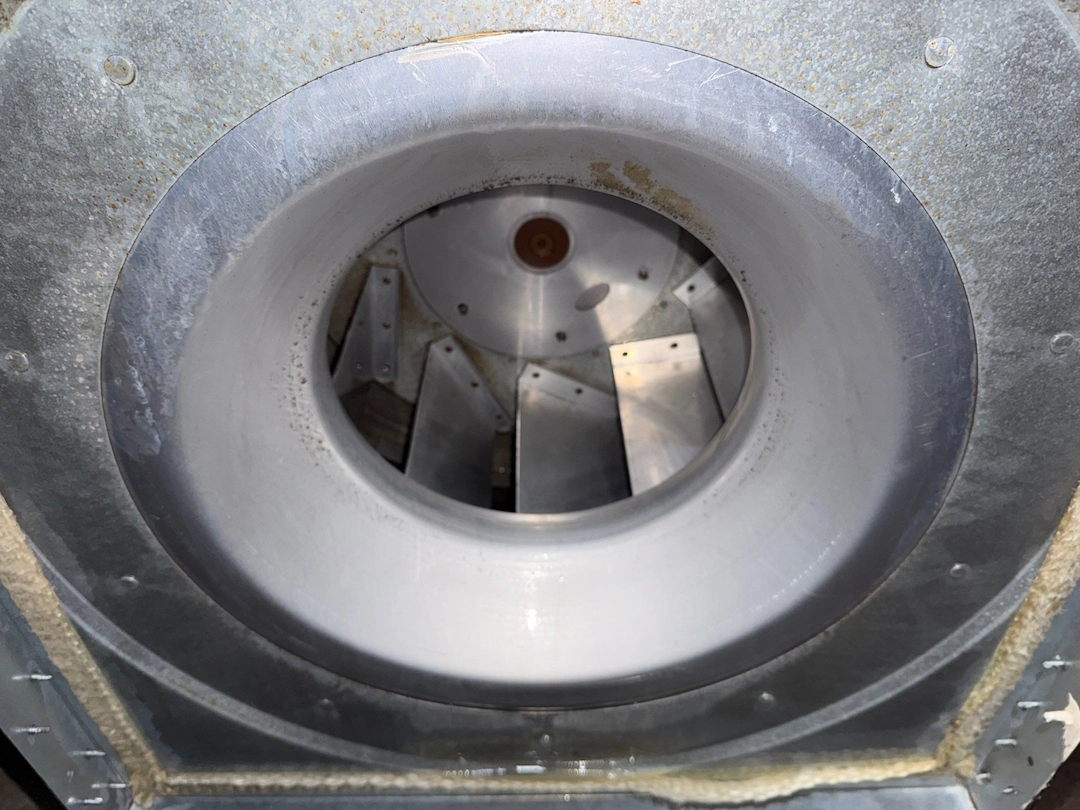
The most talked-about part of NFPA 96 is the Bare Metal Standard. It sounds simple: all interior surfaces of the exhaust system must be cleaned to bare metal. No layers of baked-on grease, no hardened carbon deposits, just clean metal. But the reality is more nuanced. The standard does not demand a mirror finish every time, but it does require that visible grease, ash, and char be removed. The reason is straightforward. Grease is a fuel. When it accumulates inside a duct or hood, it sits inches above open flames and hot cooking equipment. A small spark from a malfunctioning fan motor or a flare-up on the grill can ignite that grease and send fire roaring through the entire exhaust system. I have seen kitchens where a year of neglect left a quarter-inch of grease inside the ductwork. That is not just a code violation. It is a disaster waiting to happen.
What NFPA 96 Requires for Cleaning Frequency
The NFPA 96 requirements do not give a one-size-fits-all schedule. Instead, they tie cleaning frequency to the volume and type of cooking. A busy fast-food restaurant that runs fryers all day will need exhaust cleaning every three months. A lighter operation, say a cafe that mostly bakes, might get away with every six months or even yearly. The key is that the cleaning interval must be frequent enough to keep the system free of heavy grease buildup. The standard also requires that the cleaning be performed by a qualified person who follows the procedures in the standard. That means using the right tools, protecting the kitchen during cleaning, and documenting the work. A lot of operators assume that if they run the hood filters and change them regularly, the rest of the system stays clean. It does not. Grease aerosolizes and travels past the filters, condensing on the inner walls of the ductwork and the exhaust fan. That hidden buildup is what causes most kitchen fires.
Beyond Cleaning: Installation and Design Requirements
NFPA 96 also covers how a commercial kitchen exhaust system should be built. Ductwork must be constructed of steel at least 18 gauge thick, with watertight welded or brazed joints. No screws or pop rivets are allowed inside the duct because they catch grease. The duct must run directly to the outside, with as few bends as possible, and it must be separated from combustible materials by a specified clearance or by a fire-rated enclosure. The exhaust fan must be listed for grease-laden air, which means it is built to handle high temperatures and is spark-proof. The hood itself must have a fire suppression system listed under UL 300, the standard for restaurant fire suppression. That suppression system includes a set of nozzles that discharge wet chemical onto the cooking surfaces and into the hood plenum in case of a fire. It is all tied together: the hood, the ductwork, the fan, and the suppression system must work as a unit to contain and extinguish a fire before it spreads. I have walked into kitchens where the exhaust fan was a standard roof vent, not rated for grease. That is an immediate code red. The entire system needs to be designed for the specific cooking load, and NFPA 96 gives the rules for that design.
Inspection and Documentation
One of the most commonly overlooked parts of the NFPA 96 requirements is the paperwork. The standard says that after every exhaust cleaning, the contractor must provide a certificate showing the date, the cleaning methods used, and the areas cleaned. The kitchen operator must keep that certificate on site. An insurance inspection or a fire marshal visit will ask for it. Without it, the inspector has no proof that the system has been maintained. I have seen restaurants shut down on the spot because they could not produce a current certificate. The documentation also serves as a log. Over time, it shows patterns. If one section of duct always requires extra work, it might indicate a design issue or a failing fan. The certificate is your record of compliance, and it protects you in case of a fire. If a fire does start and the system is clean and documented, the insurance company is much more likely to pay the claim. If the system is greasy and there is no certificate, you could be left holding the bill.
The Role of the Hood Cleaning Professional
Proper exhaust cleaning is not a job for a general handyman. It requires training, specialized equipment, and knowledge of the NFPA 96 requirements. A good hood cleaning company will pressure wash every interior surface, use scrapers and brushes to remove stubborn deposits, and then wipe down the metal to verify it meets the Bare Metal Standard. They will also check the hood filter condition, the fan operation, and the fire suppression system. They should be able to point out any damage or wear they find. At Clean Hood Pros, we take the standard seriously because we have seen what happens when it is ignored. A clean system not only passes inspection but also runs more efficiently. The exhaust fan moves air better when it is not fighting a layer of grease, and the kitchen stays cooler. The hood filters last longer, and the fire suppression system remains unobstructed. It is one of those rare maintenance tasks that pays for itself in reduced energy costs and lower fire risk.

Common Misconceptions
I often hear kitchen operators say that if they clean the hood filters themselves, they do not need professional exhaust cleaning. That is not true. The hood filters catch the larger grease particles, but a significant amount of vaporized grease passes through and deposits further down the ductwork. No amount of filter cleaning will keep the duct and fan clean. Another common belief is that the fire suppression system alone is enough. It is not. A suppression system can put out a fire inside the hood, but if the duct is full of grease, the fire can burn past the extinguishing agent and travel into the building. The suppression system and the cleaning program are complementary, not interchangeable. A third misconception is that NFPA 96 only applies to large restaurants. It applies to any commercial kitchen that produces grease-laden vapors. That includes pizzerias, food trucks, church kitchens, and even some high-volume caterers. The standard is about protecting the building and the people in it, regardless of size.
Staying Ahead of Changes
The National Fire Protection Association updates NFPA 96 every few years. The current edition includes more detail on cleaning verification and on the requirements for exhaust systems serving solid fuel cooking appliances, like wood-fired ovens. Staying current means reading the new edition or working with a contractor who does. It also means understanding local fire codes, which often adopt NFPA 96 as the base and then add local amendments. For example, some cities require quarterly cleaning for all grease-producing kitchens, regardless of cooking volume. Others require a specific type of access panel in the ductwork to allow inspection. The NFPA 96 requirements are the floor, not the ceiling. The best practice is to exceed them whenever it is practical.

Final Thoughts from the Field
I have been in this business long enough to know that a clean exhaust system is not a luxury. It is a fundamental part of restaurant fire safety. The NFPA 96 requirements exist because people died in kitchen fires. Every time I see a kitchen that is properly maintained, I know the owner understands that the cost of cleaning is tiny compared to the cost of a fire. If you are responsible for a commercial kitchen, take the time to review your cleaning schedule, your documentation, and your contractor's methods. Make sure the system is cleaned to bare metal and that the work is certified. It is not just about passing an insurance inspection. It is about making sure that when the burners are on and the fryers are hot, the only thing that gets cooked is the food.